How to reconcile a supplier statement and explain differences
A supplier statement shows €4,800 outstanding, but your ledger shows €4,350. Before chasing invoices or changing a balance, you need to explain the €450 difference. Supplier statement reconciliation compares the supplier's record with your own for the same account and date, then separates matched transactions from items that need investigation.
The useful result is a short, supported list of differences. It tells you which invoice, credit or payment to check, what evidence is missing, and who needs to resolve it before month-end closes.
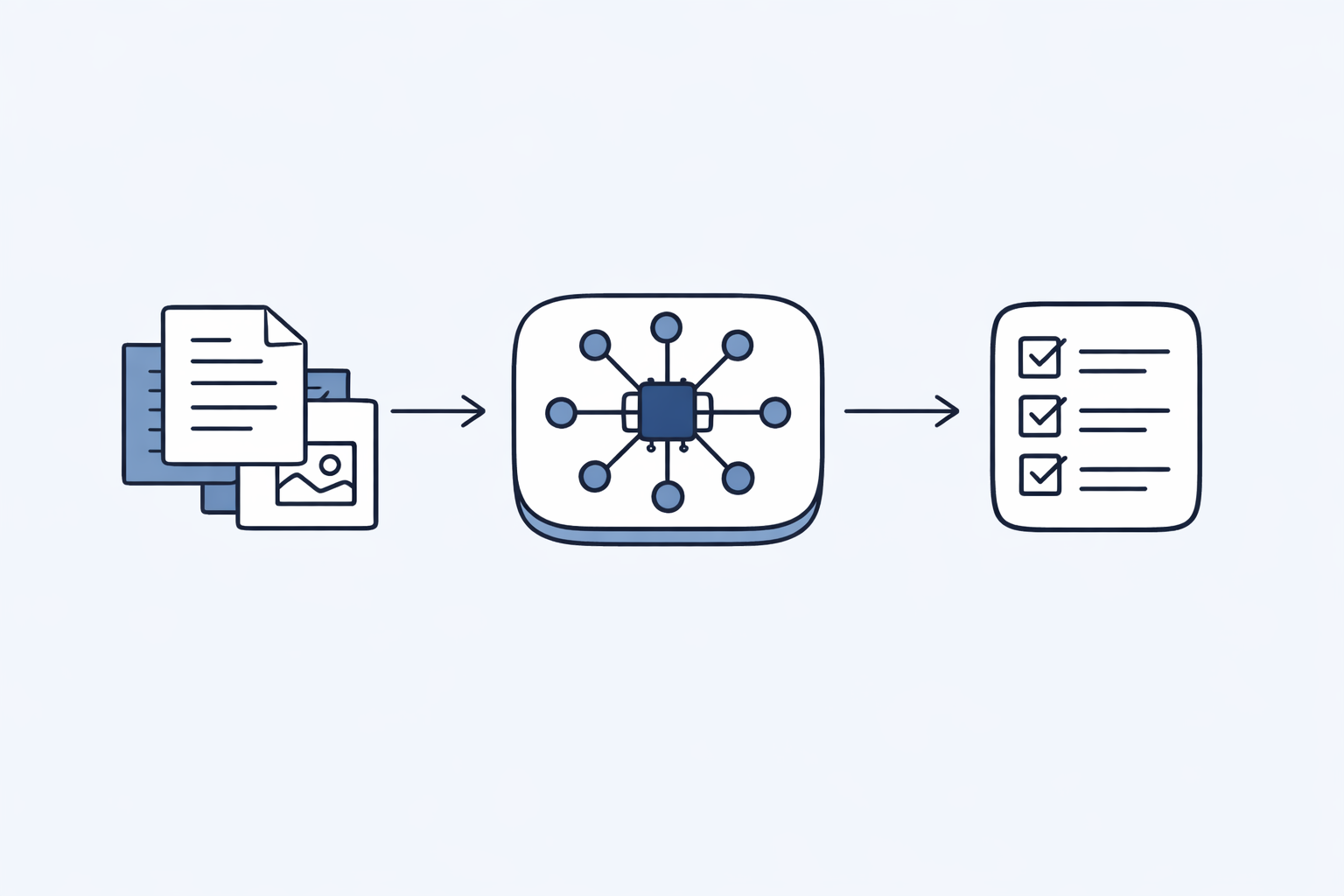
Start with the right statement and ledger
Use the supplier statement and a transaction-level export from your accounting records. A balance-only screenshot cannot explain which items created the difference. Keep the original files alongside the reconciliation so another reviewer can follow the result.
Check the supplier's legal entity and account number. One trading name may have several accounts for different sites or currencies. A correct payment against another account will look missing if you compare the wrong records.
Align the cutoff date. A statement dated 31 August and a ledger exported on 3 September may include different transactions. Either obtain a ledger view at the statement date or clearly identify the later entries. Do not silently treat those later transactions as errors.
Record the opening balance, closing balance and currency from both sources. If the opening balances already disagree, carry that difference into the investigation instead of assuming every issue belongs to the current month.
Match transactions before comparing totals
Start with invoice or credit-note references, then check date, amount and transaction type. Normalize harmless differences such as spaces or prefixes, while retaining the original references. Similar amounts alone are not enough to establish a match.
A single payment can settle several invoices. A credit note can cover only part of an invoice. Look for those relationships before classifying an unmatched line as missing. Remittance information can help explain allocation, but it should not replace the underlying records.
Keep matched items separate from unresolved ones. For each exception, capture the statement reference, ledger reference, amount difference and source location. This gives the reviewer a queue they can actually work through.
A worked supplier statement reconciliation
This example uses fictional figures. The supplier statement shows €4,800 outstanding and the ledger shows €4,350 at the same cutoff. Three items explain the difference:
| Item | Supplier statement | Your ledger | Explanation to verify |
|---|---|---|---|
| Invoice INV-204 | €300 charge | Missing | Obtain the invoice and confirm whether it belongs in the period |
| Credit note CN-18 | €100 credit | Missing | Obtain the credit note and check its allocation |
| Payment PAY-72 | Missing | €250 payment | Check payment evidence and the supplier's receipt date |
Starting from the ledger balance, add the €300 invoice, subtract the €100 credit and add back the €250 payment that has not appeared on the statement: €4,350 + €300 − €100 + €250 = €4,800.
That bridge explains the balance difference. It does not mean all three items require a new ledger entry. The payment may be a timing difference; entering it again would duplicate a transaction already recorded. The invoice and credit require their own source checks before any correction.
If your bridge does not reach the statement balance, leave the remainder visible. Search for another unmatched item, an opening difference, an incorrect sign or a partial allocation. Avoid creating an unexplained adjustment just to make the totals agree.
Separate timing differences from record errors
A payment recorded before the statement cutoff may reach the supplier afterwards. A credit may be issued at month-end but arrive in your inbox later. These events can explain why two accurate records differ at a particular date.
A transposed invoice amount, duplicated ledger entry or credit assigned to the wrong account is a different problem. Record what is wrong, the supporting evidence and the correction required. Your finance reviewer decides which records to change; reconciliation itself does not authorize payment or post adjustments.
For practical follow-up on each type of difference, use the supplier exception-resolution guide. It covers the next step after an item has been identified.
Keep an exception record that survives the handoff
A useful exception record contains more than “does not match.” Include the amount, both source references, the reason currently believed to explain it, the missing document, the responsible person and the next review date.
Write observations separately from conclusions. “Payment appears in our ledger on 31 August; absent from supplier statement” is an observation. “Supplier has not allocated the payment” is a possible explanation until confirmed.
When an item is resolved, retain the evidence and resolution date. At the next reconciliation, check whether carried-forward items have cleared. A recurring difference may reveal a process issue, such as payments consistently using the wrong account reference.
Use software for the comparison and keep the review focused
Arthur & Co's supplier statement reconciliation workflow compares the statement with your books and returns matched items, differences and source context. Start with records you already have; you do not need to begin with an integration project.
Review the extracted values as well as the exception label. An unclear scan or unexpected layout can produce a missing or uncertain field. Compare that field with the source before sending a query to the supplier.
A free run lets you inspect the result with your own statement and ledger. If reconciliation is recurring work, the workflow page explains paid use and saved history. Evaluate the number of useful exceptions and the effort needed to resolve them, rather than assuming a time-saving percentage in advance.
Finish with an explained balance
Before closing the reconciliation, confirm the account, date and currency; verify the balance bridge; and give every remaining difference an owner. Keep the statement, ledger and supporting documents with the review record.
The underlying method is consistent with ACCA's explanation of supplier statement reconciliation, which distinguishes the records and investigates differences between them. The figures above are our educational example, not customer results.