Manual document review bottlenecks in SMEs
Manual document review is one of the quietest growth killers in an SME. It pulls time away from finance, procurement, and operations, and can make a growing backlog look like a hiring problem.
Want to stop the queue? Try the Free Contract Analyser and see where your manual review is leaking time.
The problem
The problem is not one huge task. It is the pile of small ones. A contract comes in. A supplier statement needs checking. A revised policy needs comparison. Someone has to read, match, flag, and explain it all by hand.
That is where teams slow down. Not because they are lazy, but because the workflow is built around people doing machine work.
What to automate first
Start with the work that is repeated, rule-based, and expensive to do late. Contract review belongs to Contract review. Document comparison belongs to Document comparison. Supplier statement reconciliation belongs to Supplier reconciliation.
That gives you a practical path: fewer delays, fewer mistakes, fewer “can you take a look at this?” interruptions.
The better setup
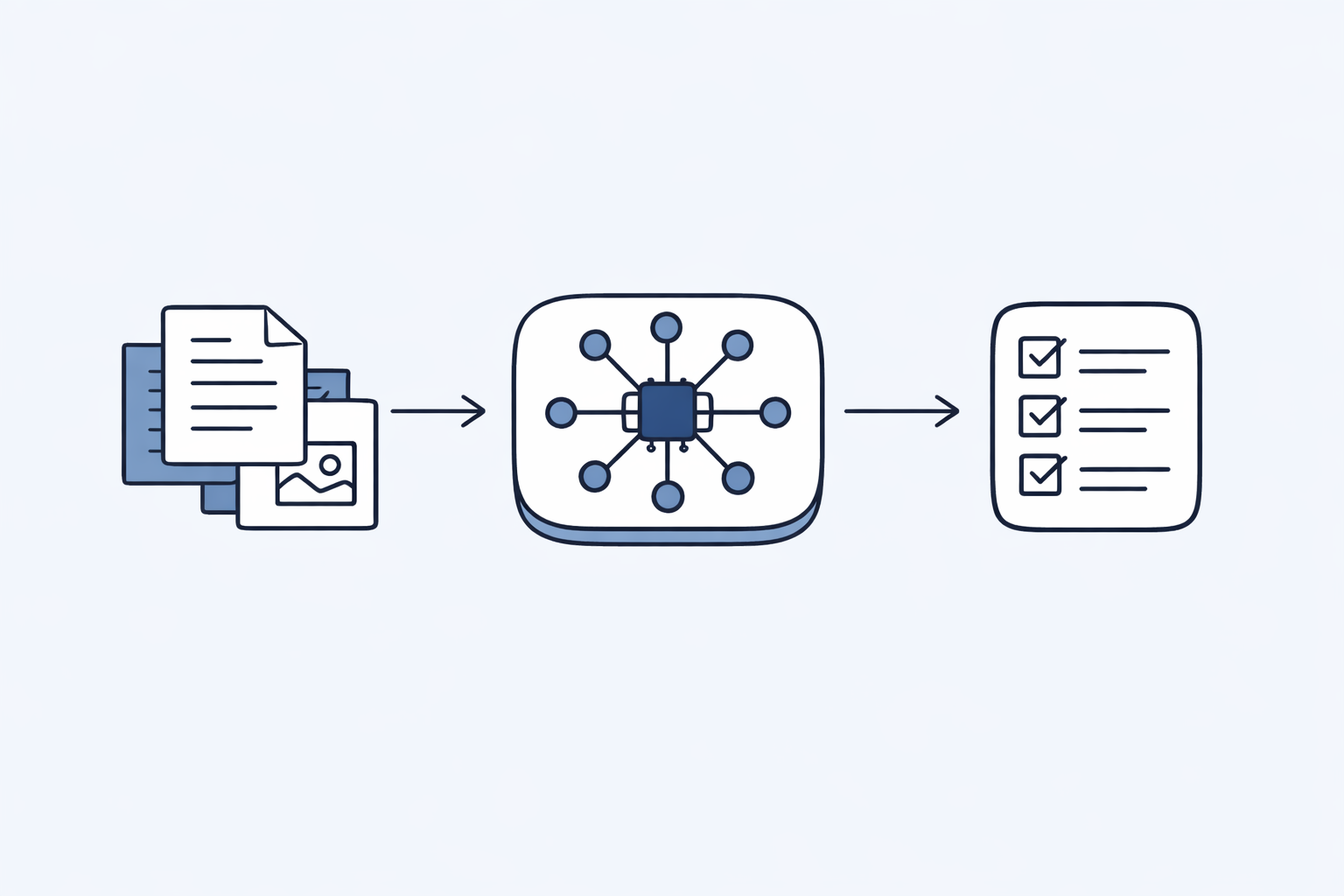
The better setup is simple. Send each file to the right agent, keep the exception handling with a human, and let the platform do the first pass. That is how you avoid adding a full-time admin role just to keep up.
If you want the broader system, start with Arthur & Co's back-office automation hub and build from there.
How to spot the bottleneck
Not every manual task deserves automation first. The work that should be targeted first has three signs. It happens every week or every month, it follows a repeatable pattern, and it slows down other people while they wait for a decision.
That is why contract review, document comparison, and supplier reconciliation keep showing up at the top of the list. They are not glamorous, but they sit in the middle of real operations. When they stall, the people waiting on those checks stall with them.
The signal is usually obvious if you look for it. You will see the same spreadsheet opened again and again. You will hear the same “can you check this before I send it?” question. You will notice that one person becomes the bottleneck every time the workload rises.
That is not a people problem. It is a process problem.
Why process fixes should come before hiring
Many SMEs react to this by writing a job description. That feels decisive, but it is often the slowest and most expensive way to fix a workflow that should have been automated first.
A hire takes time to source, time to onboard, and time to get up to speed. The work itself is still there on day one. The queue does not care that someone accepted the offer last week.
Automation changes that sequence. The work can move into a structured first pass without waiting for a recruiting cycle. And because that first pass becomes systemized, your team can review exceptions instead of doing every review from scratch.
The goal is not to eliminate humans. The goal is to stop using humans as a default parser, matcher, and checker for every file that arrives.
A simple rollout sequence
If you want to make the change without creating chaos, use a simple three-step rollout.
- Step one: pick one repetitive document type that causes the most delay.
- Step two: define what a good first pass looks like, then route that task to the right agent.
- Step three: measure time saved, mistakes caught, and how often the human only needs to review exceptions.
This keeps the rollout small enough to move quickly and real enough to prove value. Once the team sees one workflow working well, the next one becomes much easier to adopt.
Conclusion
Manual review looks cheap until you measure the time. Once you do, it is usually the most expensive process in the room.
Automate the queue, keep the judgment, and let your team spend its time on the work that actually moves the business.
What success looks like
Success is not just “the team worked faster.” It is a visible reduction in waiting, fewer status pings, and a review process that feels lighter every week.
If your finance lead no longer has to chase the same supplier statement repeatedly, if operations stops re-reading the same version, and if procurement can move from intake to a reviewed document without a bottleneck in the middle, the workflow is doing its job.
That is the kind of result worth keeping. It does not just save time. It changes the pace of the team.